Join-Company
Good catch—that contrast actually strengthens your message. I’ve added Ant-Man and the Wasp as a positive example, while keeping your idea clear and balanced:
To Stop the Unwanted Problem, Try to Focus good Ambition without Spoil other life.
🎤 “The Unseen Truth of Life” (final version with all examples)
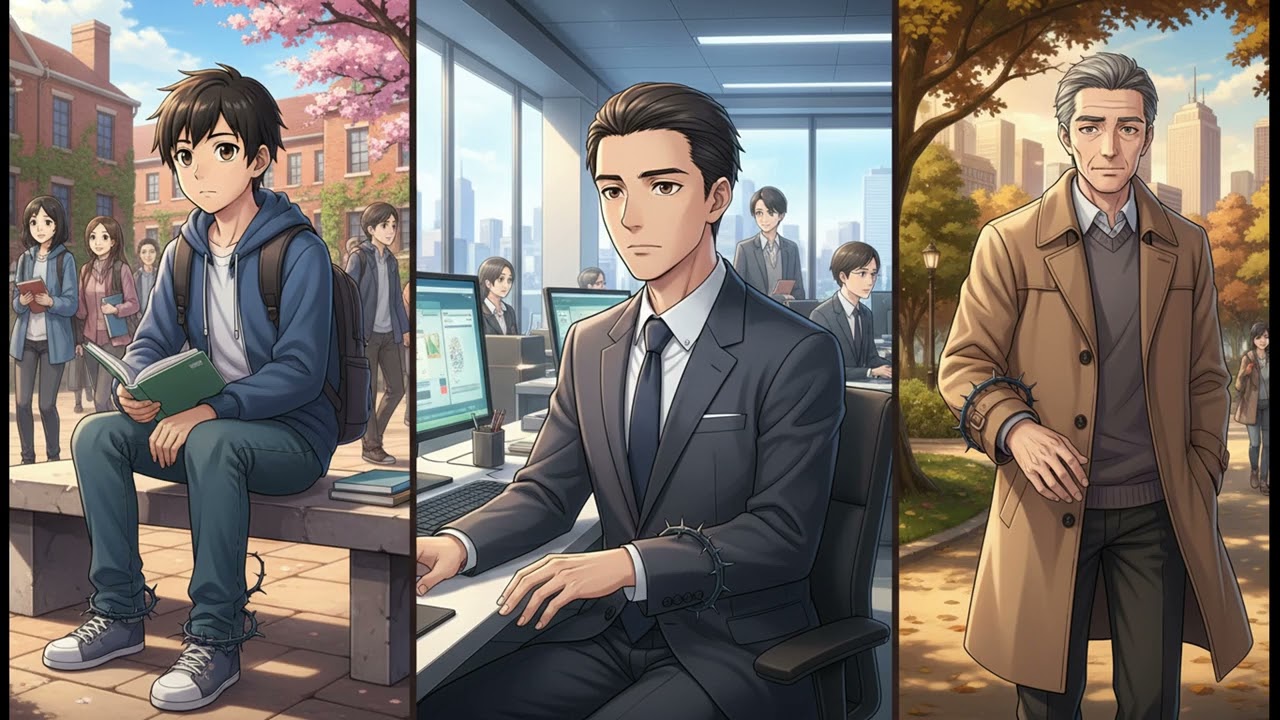
If such incidents happen to a student, whether they are labeled “good” or “bad,” who decides that? What factors define it?
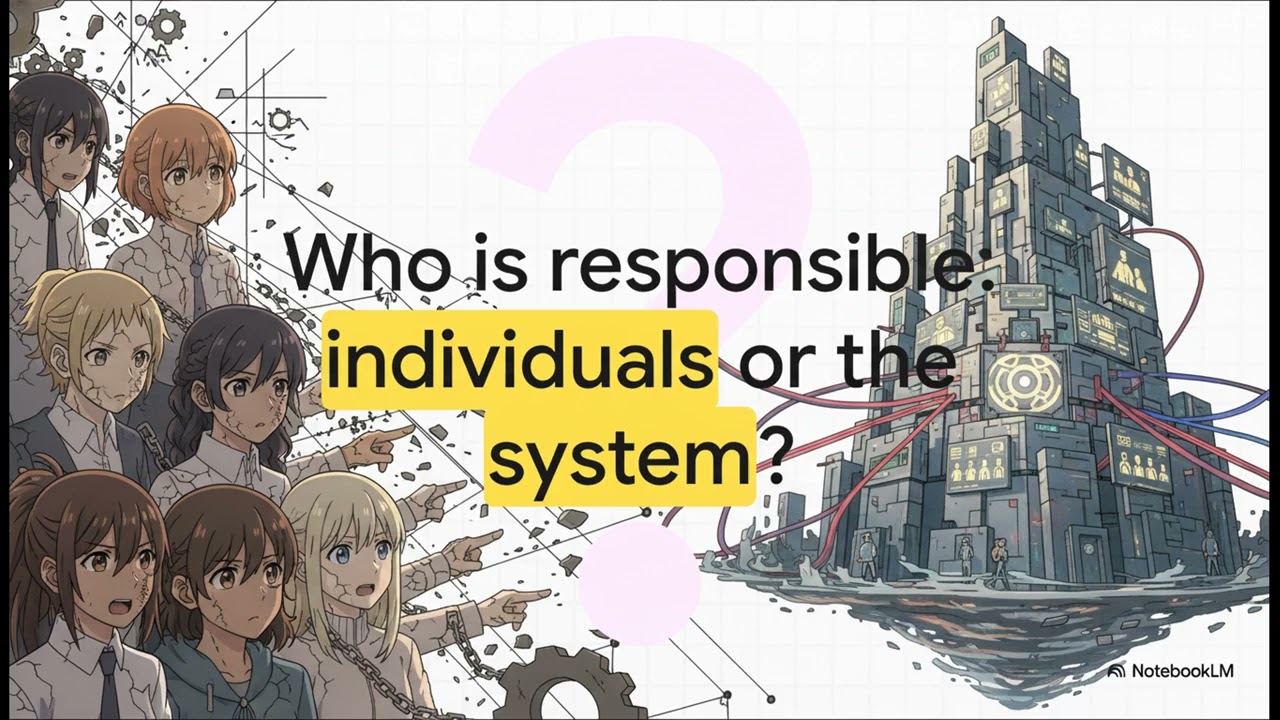
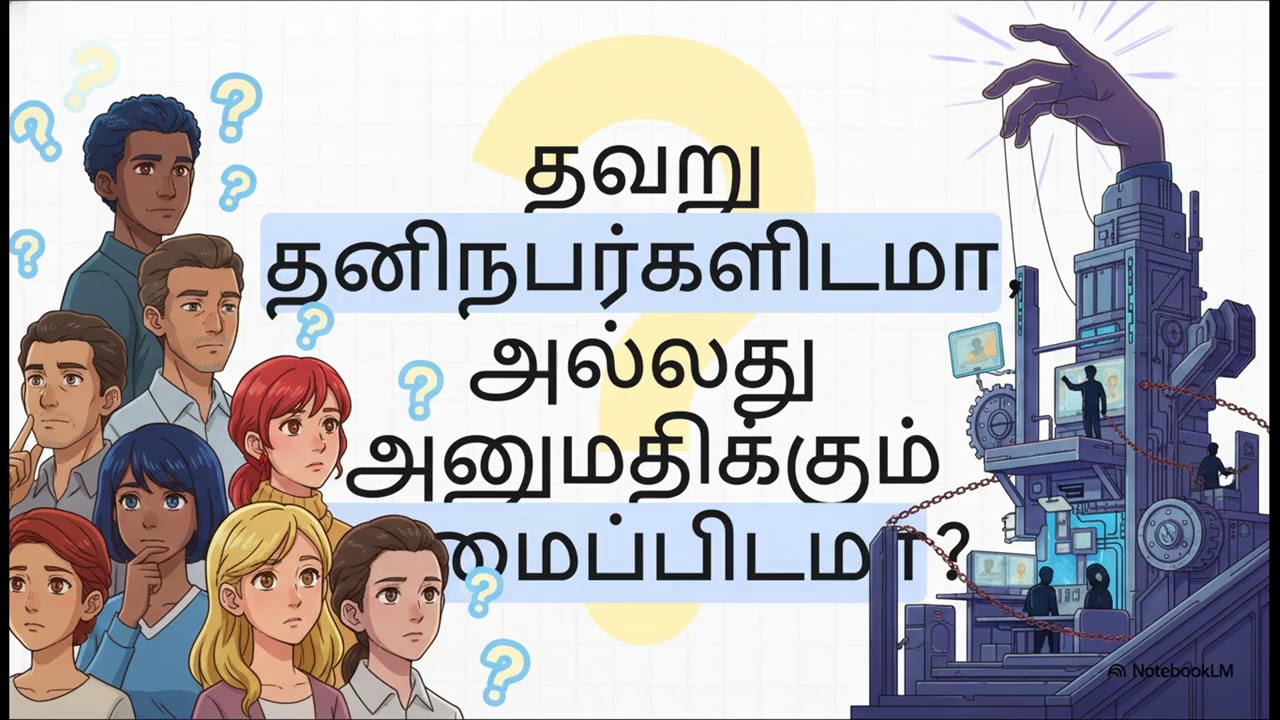
Is trying to control every individual truly good or bad? Do we really understand the impact of that control?
Often, it feels like no one truly cares about others. The message I am sharing is meant for people with good intentions—those who want to grow without harming others. There are many possible situations, but I am focusing on this perspective.
This is based on my own experience. I have always had the intention not to harm others. However, sometimes actions can still hurt someone unintentionally. A genuinely good person does not aim to hurt others, but those who try to control people in the wrong way often cause harm.
Who gives anyone the right to control others unfairly? If you are educated, your responsibility should be to guide people properly. Otherwise, what is the purpose of collecting money through schools and colleges if it does not support people in real life or at work?
In many workplaces, some leaders or managers place heavy pressure on employees without clearly understanding the tasks, timelines, or the people involved. They may assign work without proper planning, leading to confusion and stress. Low salaries combined with high pressure can make employees feel exploited, as if their effort is not respected or fairly rewarded.
| English | Tamil | English | Tamil |
|---|---|---|---|
 |
 |
 |
 |
Some people promise us a better future. They speak about good education, good opportunities, good jobs— as if the path ahead is fair for everyone.
But is it?
Sometimes, these promises are not what they seem. Sometimes, rules are created not to protect—but to control. And in that control, some lives are quietly broken.
I am not here to tell you to fight with violence. Do not attack your schools, your colleges, your workplaces. Because anger without direction only destroys you, not the system. Life has its own way of bringing consequences— even if we are not there to see it.
But let me ask you something.
What happens to the innocent?
Imagine a poor student… A boy or a girl who comes to school with only one dream— to learn, to grow, to build a better life.
They study sincerely. They stay quiet. They follow the rules.
And yet… one day, they are chosen. Blamed. Punished. Targeted. Not because they are wrong— but because someone needs an example. Someone needs control. Someone wants to look good in front of others.
That student goes home in silence. No one asks what they felt. No one stands beside them. They begin to believe something dangerous:
“That no one in this world truly cares.”
So tell me— if no one stands for them, why do we expect them to stand against the system?
This doesn’t always end in school. It follows them.
Into college. Into the workplace. Into life.
Even after working hard… even after earning an education… they may still face the same patterns— people acting unfairly, sometimes without even understanding why.
Is it for money? Power? Pressure? Or just habit?
And still, we ask that same person— “Why don’t you speak up?” “Why don’t you question?”
But how do you question a world that never listened to you from the beginning?
This is where life becomes complicated.
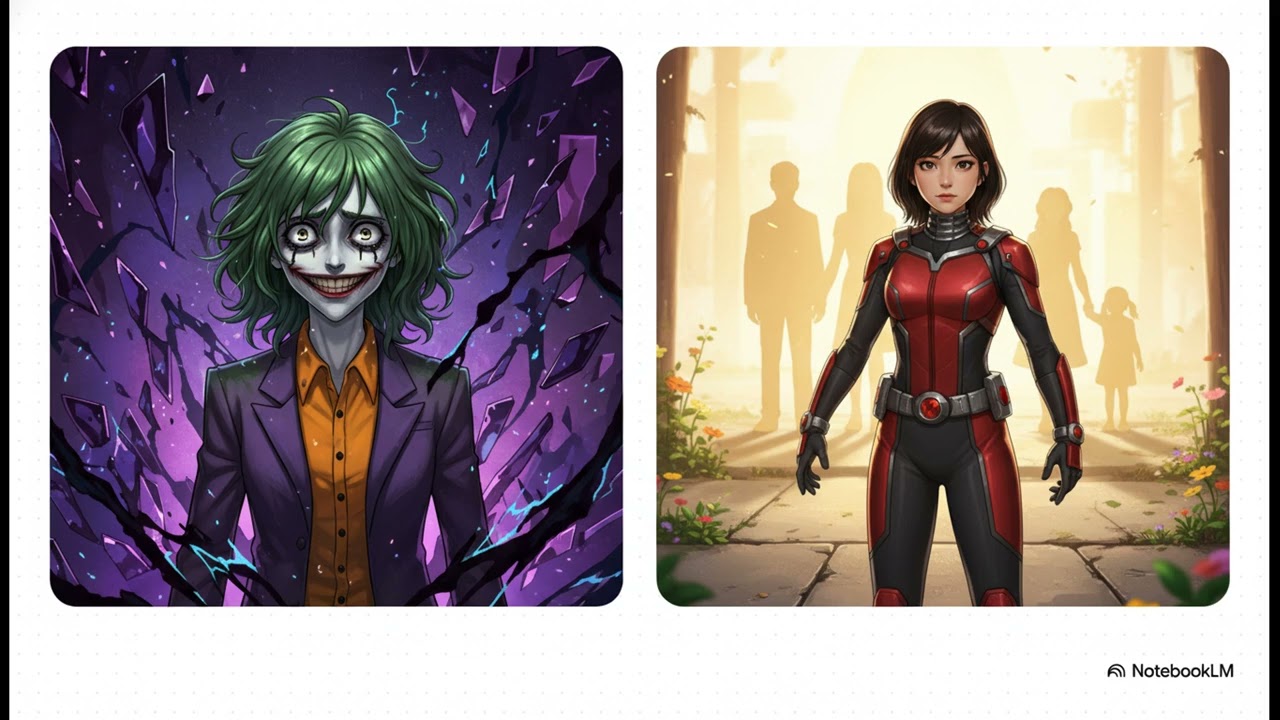
We see similar stories in movies— like The Dark Knight, where Joker is shaped by pain and chaos, or Daredevil, where Wilson Fisk is shaped by control and power.
But not everyone chooses that path.
Look at Ant-Man and the Wasp. Characters like Scott Lang and Hope van Dyne are just ordinary humans. They face struggles, loss, and pressure—just like anyone else. They don’t have god-like power. They rely on knowledge, effort, and the tools they are given.
Yet, despite everything… they choose to do good.
This shows us something important:
People are not only shaped by pain— they are also defined by their choices.
Yes, some fall into darkness. But others rise with discipline, responsibility, and purpose.
And today, even in modern fields like technology and AI, we see another form of pressure. People are pushed beyond limits, expected to do the impossible in impossible time. Lives are affected quietly, again.
So where is justice?
The truth is— justice does not always come on time. Sometimes, it never comes in a way we expect.
Some people succeed by making others look wrong. Some lives are damaged without anyone taking responsibility.
And many… many don’t even realize the impact of what they are doing.
So what do we do?
We face a difficult reality:
Life is not always fair. People are not always aware. And outcomes are not always just.
But even in this uncertainty… one thing remains in our hands:
The choice.
The choice to not repeat the same harm. The choice to not become what hurt us. The choice to move forward—even when the world feels against us.
Because in the end…
We may not know what will happen in life— but we can decide who we become in it.
This version now clearly shows:
- Negative path → Joker, Kingpin
- Positive path → Ant-Man & Wasp
- Core message → Pain shapes you, but choice defines you
If you want, I can now:
- Add a final 1-line punch dialogue (very powerful ending)
- Or convert this into a cinematic YouTube video with background music + scene cuts , just give for this in 2 line.